Expert Concrete Contractor for All Your Building Needs
Retaining a experienced concrete contractor is fundamental for the success of any construction project. Their competence assures that tasks are concluded productively and to a high standard. These professionals confront challenges with skill and have cultivated connections that simplify material sourcing. Grasping local regulations and prioritizing safety are also key aspects of their role. Yet, many fail to recognize the future advantages of choosing the right contractor. What criteria should one evaluate when making this crucial determination?
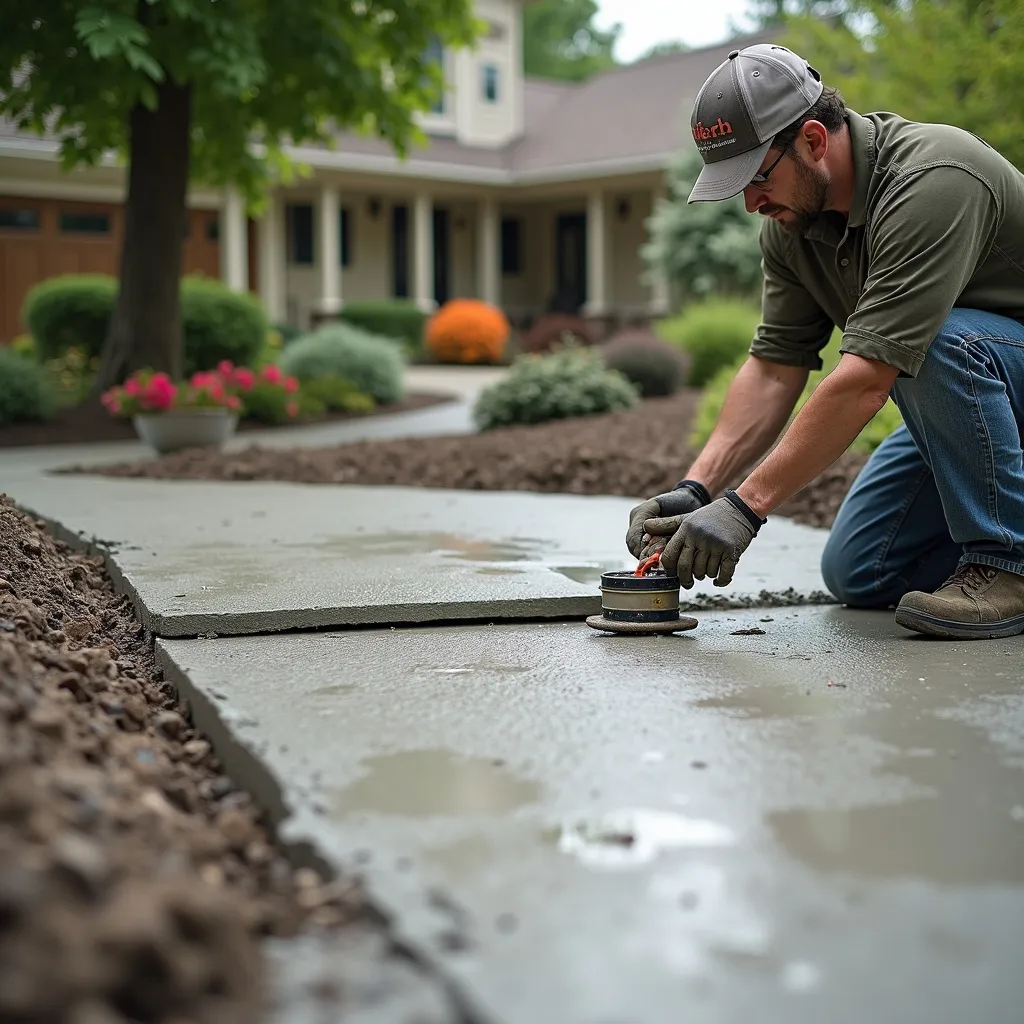
Why Appointing an Proficient Concrete Contractor Holds Value
When assessing a building endeavor, the significance of hiring an experienced concrete contractor cannot be overstated. An experienced contractor provides a vast amount of knowledge and abilities that are essential for guaranteeing the standards and longevity of concrete work. Their proficiency with various methods and materials allows for improved choices, ultimately resulting in a more robust and reliable structure.
Furthermore, seasoned contractors are adept at navigating possible obstacles that may arise during the building phase. They are equipped to handle unexpected issues effectively, reducing setbacks and extra expenses. In addition, an experienced contractor often has established relationships with vendors and trade partners, which can optimize the acquisition of materials and resources.
Essential Characteristics of a Trustworthy Concrete Contractor
A dependable concrete construction specialist possesses multiple crucial characteristics that distinguish them in the building sector. Primarily, excellent communication abilities are vital; they guarantee that clients are kept updated during the entire project, building confidence and understanding. Additionally, a solid reputation established through positive customer feedback and recommendations demonstrates a contractor's reliability and quality of work.
In addition, competence in various concrete applications, together with knowledge of the latest techniques and materials, enables them to offer superior results. Attention to specifics is another important quality, as it ensures precise measurements and rigorous standards of workmanship.
Ultimately, a dedication to safety and compliance with rules demonstrate professional conduct and accountability. By displaying these qualities, a reliable concrete contractor not only satisfies client expectations but also aids in positive project results, rendering them essential in the construction industry.
A Guide to Finding the Perfect Concrete Project for Your Needs
Selecting the appropriate concrete project requires meticulous consideration of particular needs and objectives. Individuals should begin by assessing the intended use of the concrete, whether for driveways, foundations, or decorative elements. A clear grasp of the project's purpose guides the selection of materials and methods.
Next, spending limits have an critical role. Reviewing existing budgetary resources helps in determining the size and sophistication of the project. Additionally, the local climate can impact the preference of concrete type and finishing approaches, ensuring durability and longevity.
It is also vital to account for the schedule for completing your project. Some concrete work demand curing time, which may influence scheduling. Speaking with an skilled concrete professional can provide valuable insights into the recommended techniques and available options. Ultimately, matching the specific details of your project with personal requirements leads to a successful concrete project that achieves the desired outcomes.
What You Require to Learn About Local Concrete Regulations?
Recognizing local concrete directives is critical for any structural undertaking, as these rules detail various aspects of concrete practice, including performance criteria, execution strategies, and environmental considerations. These mandates are typically instituted by local or state authorities and can fluctuate considerably from one location to another.
Contractors should comprehend zoning laws, which can dictate where concrete structures may be erected. Additionally, building codes typically specify the required strength and composition of concrete mixes, promoting safety and durability. Environmental regulations may also impose the use of eco-friendly materials and proper waste disposal methods to decrease environmental impact.
Disregarding these regulations can bring about charges, project delays, or even judicial proceedings. Accordingly, coordinating with local authorities during the early planning stages is recommended. Recognizing and observing these regulations not only cultivates community safety but also reinforces the integrity of the construction project.
Why Skilled Contractors Help You Save You Hours and Funds
Expert contractors serve a pivotal role in streamlining construction projects, allowing clients to gain both time savings and cost reductions. Their vast expertise allows them to handle complex tasks swiftly, reducing the overall project timeline. By leveraging industry connections, expert contractors often secure better rates on materials, translating to lower costs for clients.
Moreover, their knowledge of local regulations guarantees compliance, which reduces the risk of expensive delays and fines. Efficient project oversight is an additional key benefit, as these experts manage workforce and resources, preventing bottlenecks that can lead to increased expenses.
Moreover, by employing established methods, skilled professionals minimize the likelihood of errors, which can lead to expensive rework. Ultimately, hiring an experienced contractor not only improves the quality of the undertaking but also maximizes financial resources, making it a wise choice for any building project.
The Importance of Superior Components and Techniques in Concrete Work
Quality in concrete work is crucial, as it directly influences the durability and longevity of any construction project. The selection of high-grade materials plays a essential role; inferior concrete can lead to cracking, erosion, and structural failure over time. Using quality aggregates, cement, and additives ensures that the final product can withstand environmental stresses and heavy loads.
Moreover, leveraging state-of-the-art methods during the mixing, pouring, and curing processes markedly strengthens the solidity of the concrete. Correct mixing ratios and solidification techniques facilitate reaching supreme strength and reduce defects. Experienced contractors understand these nuances and deploy best practices to secure superior performance.
Ultimately, putting money into quality materials and techniques not only enhances the structural performance but also reduces long-term maintenance costs. This basis of dependability is crucial for both commercial and residential projects, assuring that they endure through the years. Quality in concrete work is an investment that pays dividends.
Frequently Inquired Questions
Which Categories of Concrete Solutions Do Professionals Commonly Provide?
Concrete contractors frequently provide a range of services including foundation pouring, driveway setup, concrete decorative solutions, laying slabs, creating patios and sidewalks, resurfacing and repair work, as well as concrete demolition and recycling.
What is the usual timeframe for a basic concrete task?
A standard concrete project usually takes between one to three days, depending on factors such as project size, complexity, weather conditions, and curing time. Larger or more intricate projects may require additional time for completion.
What Are the Usual Clues of Inferior Concrete Work?
Typical indicators of substandard concrete work consist of visible cracks, uneven surfaces, inadequate water management, color variation, flaking, and powdery deterioration. These issues examine now often indicate insufficient hardening, improper mixing, or insufficient preparation, compromising the structure's integrity and durability.
Is it Possible to Request Custom Designs for My Concrete Project?
Yes, custom designs for concrete projects can be demanded. Many contractors offer flexibility in design, allowing clients to blend in unique features and aesthetics that reflect their objectives, strengthening both functionality and beauty.
How Do Climate Factors Impact Concrete Hardening?
Weather conditions greatly influence concrete curing. High temperatures can expedite drying, causing cracking, while cold can retard the process, risking incomplete hydration. Ideal curing calls for moderate temperatures and controlled moisture to guarantee durability and strength.